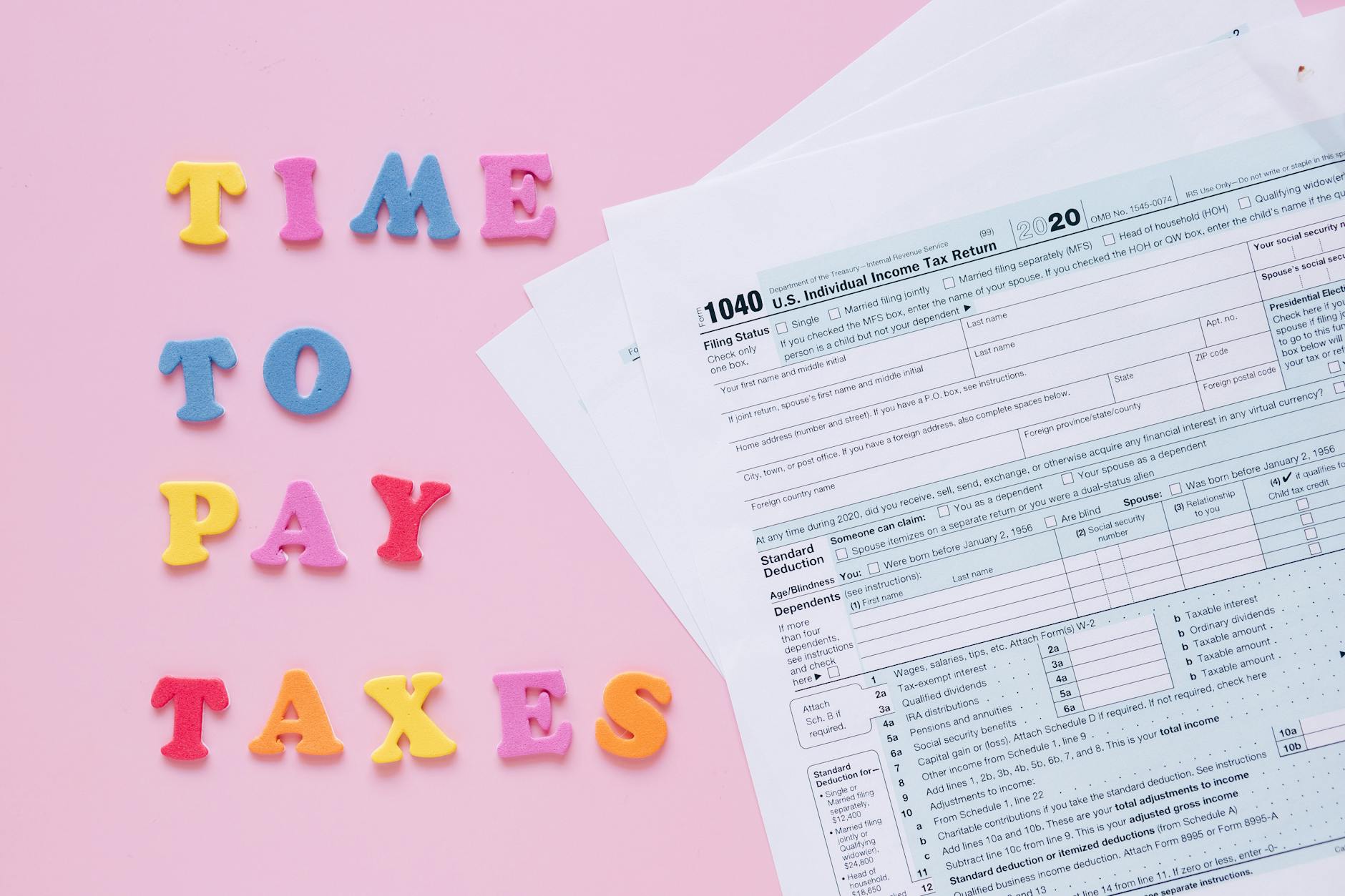
You filed your tax return. You think you are safe. Then a letter arrives from the FBR (Pakistan's tax office) saying your expense claims have been rejected. This catches most business owners completely off guard. The problem is usually simple — cash payments and personal bills slipped into the company records.
Why the FBR Rejects Cash Payments as Expenses
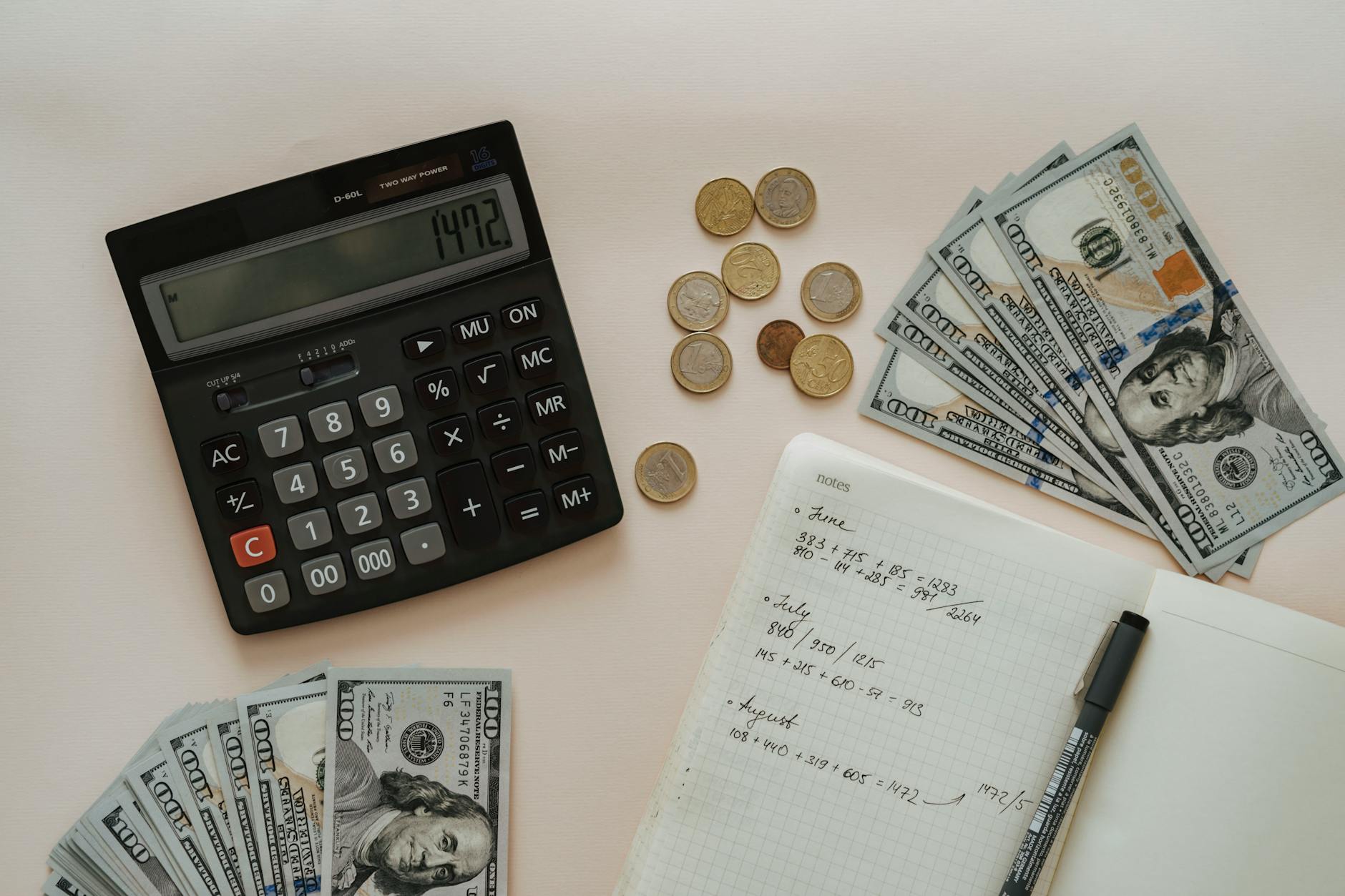
Under Section 21 of the Income Tax Ordinance, if you pay a supplier more than PKR 250,000 in cash, the tax office does not count it as a real business expense. They treat that money as if it never left your account. So you end up paying tax on money you already spent — which means a bigger tax bill for no good reason.
Most traders across Pakistan still pay suppliers in cash because it feels faster and simpler. But every cash payment above the limit is a risk. Switch your vendor payments to bank transfers or crossed cheques. Keep the receipt and the bank record together in one place.
How to Fix Your Payment Habits This Week
Tell your procurement team today: no cash payments above PKR 25,000. Move everything to online transfers or crossed cheques. If a supplier only accepts cash and refuses any other method, find a different supplier. The deduction is worth more than the convenience.
Also check your last three months of expenses for any personal bills that ended up in the company accounts — home electricity, school fees, groceries. Remove those before you file. Our taxation services team can help you go through the records in one short meeting.
What Happens if the FBR Finds the Problem First
If the tax office catches disallowed expenses before you fix them, they can reopen your last three years of accounts under Section 122 of the Income Tax Ordinance. You will owe extra tax, interest at 12% per year, and a fine up to 100% of the amount owed. What starts as one rejected expense claim quickly becomes a very large bill.
The good news is this is easy to prevent. Keep all payments through the bank. Keep invoices. Keep records for at least five years. Those three habits alone will protect you from the most common reasons expense claims get rejected.
Have questions about how this applies to your business?
Book a Consultation