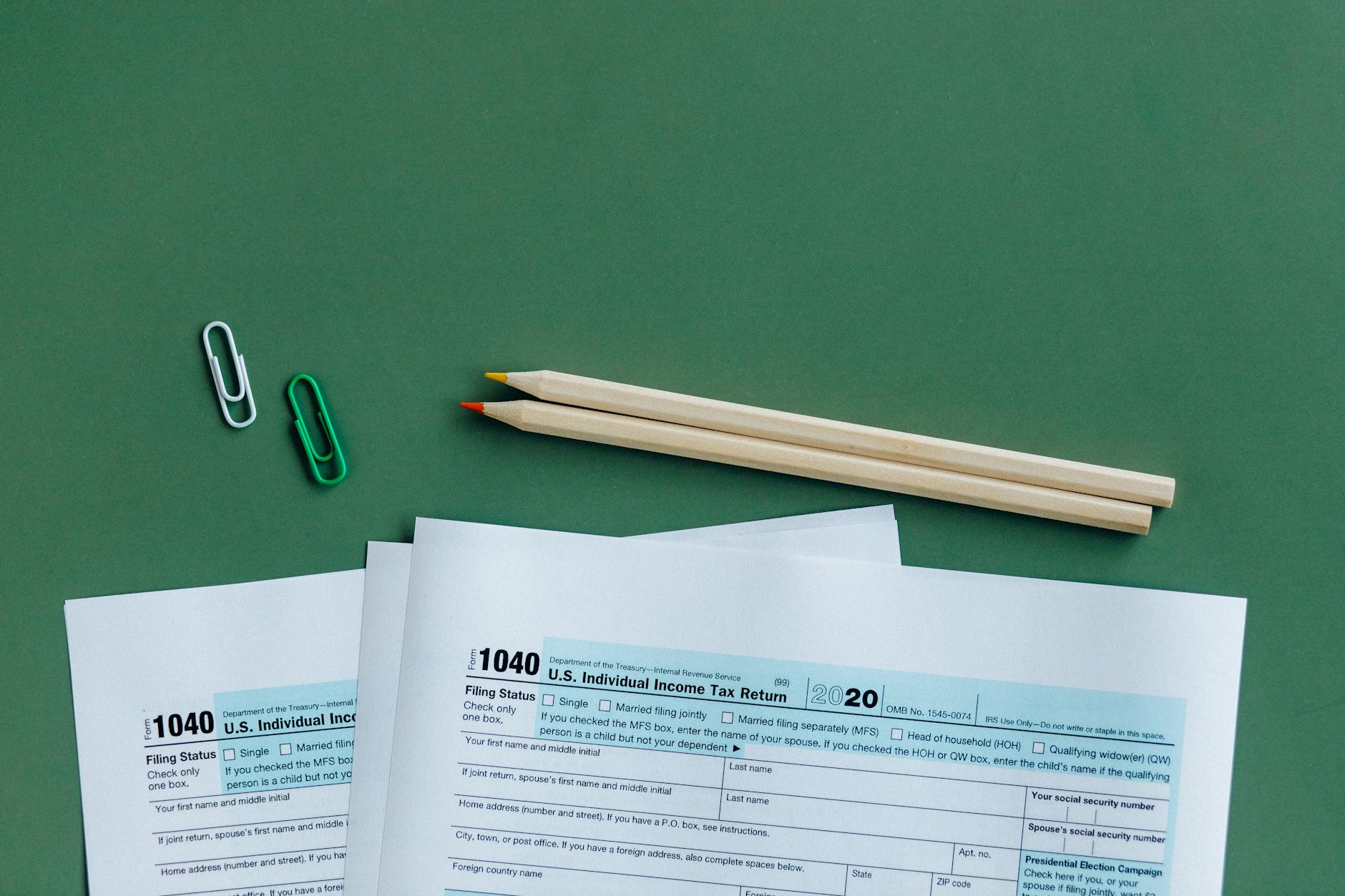

Have you ever sat at your desk with a cup of chai, looking at a notice from the tax office because your sales tax return does not match your bank statement? It happens to many shopkeepers and factory owners across the country every single month. You sell goods, you deposit the cash into your business account, and you file your monthly numbers. Yet, the computer at the tax office flags a difference and sends you a scary warning letter. Let us break down why this happens and how you can fix it before it costs you money.
The Trap of Personal Money in Business Accounts
Many small traders make the simple mistake of putting personal cash into the business bank account. You might sell an old family car or bring savings from home to buy stock for your shop. When that cash goes into the business bank account, it looks like taxable sales to the tax office. Your bank deposits suddenly become much higher than the sales figures you declared on your tax return. The tax computer sees this gap and automatically assumes you are hiding income.
To stop this problem, you need to keep a strict wall between your personal money and your business money. Never mix your household cash with your shop earnings. If you must put personal funds into the business, make a clear note in your ledger as a director loan or capital injection. For complex issues like this, many business owners rely on our taxation services to sort out their records. Clear records protect you when the tax office asks questions.
Timing Differences Between Deliveries and Payments
Another common reason for mismatched numbers is the delay between selling goods and getting paid. You might issue an invoice and declare the sale in January because the tax rules require it. But your buyer might face cash flow problems and only pay you through a bank transfer in March. During January, your tax return shows a sale that has no matching cash in your bank yet. This natural timing gap trips up many honest traders.
You must maintain a proper sales ledger that tracks who owes you money and who has paid. When the tax office asks why your bank total is lower than your sales total in a specific month, you can show them your unpaid customer bills. These unpaid bills prove that the money is still on the way. Keeping your ledger accounts updated every week solves this confusion instantly.
Three Steps to Take This Week
Do not wait for a second warning letter from the tax office to take action on your accounts. First, print out your bank statements and your sales tax returns for the last six months and put them side by side. Second, highlight every deposit that came from personal funds or loans so you can explain them easily. Third, open a separate bank account just for personal savings and never let personal cash touch your business funds again.
Fixing these habits today saves you from heavy fines and stressful visits to government offices tomorrow. Take control of your paperwork while you enjoy your evening tea. A few minutes of careful checking each week keeps your business safe and your bank account growing.
Have questions about how this applies to your business?
Book a Consultation