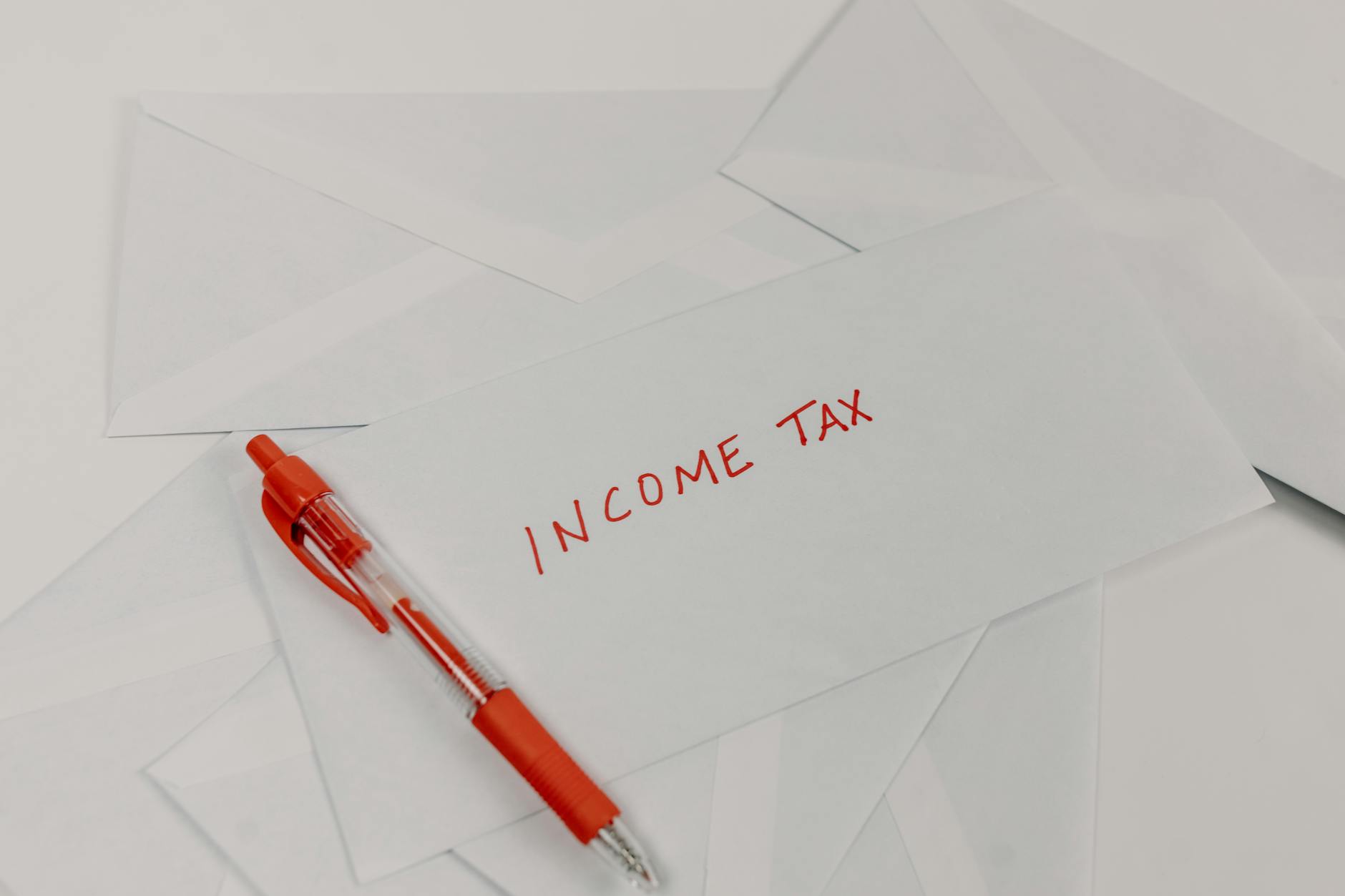

Imagine sitting at your desk with a cup of hot chai, opening an envelope from the tax office. They are asking why your electricity bill is twice as high as the income you declared on your tax return (the annual form where you report your business earnings). You wonder how they even know what your shop or factory uses. The truth is that utility companies share your commercial meter data directly with the government.
How the Tax Office Tracks Your Bills
The government looks at your monthly power consumption to guess your sales. If your electricity meter spins day and night, the tax officers assume your factory is producing tons of goods and making big profits. They expect your filer status (your registration as an active taxpayer) to match a certain level of income based on that power usage. When your declared profit is too low compared to your heavy bills, a red flag pops up on their computer screens.
Many shopkeepers and factory owners pay high utility bills for shared buildings or rented spaces without realizing the tax impact. You might run a small corner shop, but the heavy commercial meter belongs to the whole plaza. If the bill comes in your name, the tax office thinks your single shop uses all that power. To protect your business from sudden notices, get help from our taxation services to ensure your expenses match your actual operations.
Common Mistakes Small Business Owners Make
Another big trap is paying your home and business utility bills from the same pocket. Mixing these expenses confuses the tax math and makes your business look much bigger on paper than it really is. When the tax office cross-checks your National Tax Number against your meter numbers, they spot the gap immediately. They do not care if part of that electricity went to light your family living room upstairs.
You also need to watch out for advance tax charges hidden inside every utility bill. The power company adds an extra amount to your monthly bill just because you are a commercial consumer. Many traders forget to claim these advance tax payments when filing their yearly forms. You end up paying twice if you do not keep track of every single paper receipt that comes through your door.
Steps to Fix Your Utility Tax Records
Start by gathering every electricity and gas bill from the last twelve months into one folder today. Check each bill to see if your correct tax number is printed clearly on the page. If the meter is still registered in the name of a landlord who passed away or moved abroad, file an application to change the name immediately.
Next, sit down with your accountant and map out your actual utility costs against your sales ledger. Keep a written note explaining why certain months had higher power usage, such as running extra machines for a big seasonal order. Taking these simple steps this week will keep the tax office away and let you enjoy your cup of chai in peace.
Have questions about how this applies to your business?
Book a Consultation